
2025 Interior Design Trends: what you can expect, including nostalgia, sustainability, and modern tech
In 2025, homeowners, homemakers, and interior design enthusiasts are will continue to look for ways to refresh their spaces. From 1980s inspired elements to cutting-edge smart home integrations, this year’s trends cater to a wide range of tastes and lifestyles.
Remember that, as ever, a trend is just a trend. They don’t last forever, and I would never suggest that your space should follow trends for the sake of it. You should always fill your home with what you like and with pieces that have meaning to you. If you follow this, then you will always have a home that you love to be in.
That being said, it is interesting to see what is popular and considered common practice in contemporary interior design. After all, trends reflect the minds, moods, and opinions of our society today. In this list, I’ve identified trends that are becoming more popular and that I think will shape interior design in 2025. So, let’s explore the Top 10 Trends that will continue to fill your feed in 2025 and my suggestions as an interior architect on how to bring these ideas into your home (if you wish)!
1. Retrofuturism: the 80s are back
A nostalgic, yet forward-looking trend, retrofuturism mixes vintage design elements with futuristic touches. Nostalgia continues to influence design choices, and in 2025 the 80s remain influential. From bold patterns to geometric shapes and vibrant colour palettes, the decade’s style will be seen in furniture, décor, and textiles.
Associated with this is the rise of maximalism. Maximalism embraces bold patterns, eclectic colour schemes, and a mix of textures. That means rooms rich in detail, with layered décor, art collections, and a fearless use of contrasting elements. Expect bold colours, space-age shapes, and a playful mix of old and new, creating a whimsical yet sleek look.
There are two major types of nostalgia at play here: personal nostalgia, tied to individual memories, and cultural nostalgia, a collective yearning for a happier, simpler time far away from today’s challenges. You could call this diversion or wearing rose-tinted glasses. Ultimately, it depends on the feeling that the idea gives you.
To incorporate this trend:
Opt for custom metalwork in furniture or lighting fixtures for a sleek, retro-inspired touch.
Experiment with vibrant, geometric wallpapers or throw pillows to add personality.
Embrace two-toned cabinetry in your kitchen to merge modern depth with vintage flair.
2. Minimalism redefined: goodbye sad beige, hello bold simplicity
For those who don't want the full 80s boldness, they will be pleased to hear that the minimalist trend is moving past its stark, muted roots. In 2025, minimalism will embrace simplicity without sacrificing personality. Think clean lines and functional spaces, but with bursts of bold, playful colours. This is a nod to the fundamentals of modernism, that form follows function. Everything has a place and a use, though let’s also highlight key elements with a decorative flair while still providing functionality.
Key elements include:
Simple rooms with standout features, like a colourful bookshelf against a neutral background.
A shift away from "sad beige" and sterile whites, welcoming a more inviting and personalised aesthetic.
Adding a select few elements that contrast the rest of the design but still add functional value.
3. Warm and grounded: darker woods take centre stage
Move over white oak and grey finishes—2025 is all about warmth. Darker woods, especially walnut, will dominate interiors, creating a cosy and grounded atmosphere.
How to incorporate:
Choose walnut dining tables, headboards, or shelving to add richness to your space.
Pair darker wood with warm-toned textiles, like terracotta or mustard, to enhance the cosy vibe.
Balance the look with lighter accents, such as cream or soft pastel décor.
4. Curves ahead: round furniture softens spaces
We’ve seen a big increase over the past few years in curved furniture and it’s here to stay. Soft edges and rounded shapes make spaces feel more inviting and balanced, breaking up the rigidity of straight lines often found in our homes.
Add this trend to your home with:
A curved sofa or armchair to create a focal point in your living room.
Rounded coffee tables or side tables to soften angular layouts.
Arched mirrors or wall niches for an quieter nod to this trend.
5. Sustainable style: thrifting and vintage finds
I’m a huge fan of this one, and I’m sure many of you are too. Sustainability remains a priority and thrifting is becoming a lifestyle. Vintage furniture and décor not only reduce your environmental impact, but also add character and uniqueness to your home. It also goes without saying that furniture built before the overkill of mass production was produced to a much higher calibre. Pieces were designed and made to last, and to be handed down for generations.
To embrace this trend:
Explore second-hand stores and flea markets for timeless pieces.
Look for brass accents, which are expected to surge in popularity.
Combine vintage finds with modern pieces for a curated, eclectic look.
6. Kitchens get streamlined: less is more
Open shelving continues to be a polarising trend, but in 2025 kitchens will lean towards fewer cabinets and more easy-to-access open designs. The key is to strike a balance between practicality and aesthetic appeal. This creates a more light and airy atmosphere, rather than closed cupboards which can weigh a space down. However, if you’re like me and live in an older building, dust can be a major factor. If this is the case, I would skip this one.
Consider these ideas:
Reduce upper cabinetry and use open shelving for frequently used items.
Incorporate hidden storage to keep the space organised and clean.
Opt for workstation sinks and expandable tables to maximise efficiency.
7. Smart homes, smarter living
Technology is becoming seamlessly integrated into home design. In 2025, smart homes will include automated systems, app-controlled features, and lighting that adjusts based on time of day and mood; all while maintaining a cohesive aesthetic. More and more people now want to control their home from their phone. I must admit that, while I was against it for a while, it sure would be nice to be able to tell my apartment to get warm just in time for my return from work. Just make sure that you also include a manual override, in case your technology is having an off day!
Upgrade your home with:
Smart lighting systems that adapt to your mood and schedule.
Automated blinds, thermostats, and security systems for added convenience.
Voice-activated or app-controlled devices to manage your home effortlessly.
8. Flexible and functional: multi-use furniture
As living spaces shrink, multi-use furniture is becoming more attractive. Designs that offer flexibility and functionality are perfect for smaller homes or apartments.
Popular options include:
Expandable dining tables for hosting guests in compact spaces.
Folding desks or wall-mounted workstations for home offices.
Storage ottomans and sleeper sofas to maximise utility. All of my clients say that they want more storage. Trust me, add it in!
9. Health-focused spaces
Wellness is a top priority, and in 2025 interiors will reflect this by incorporating elements that promote physical and mental health. From indoor herb gardens to home saunas, these features are as functional as they are stylish. Nature-inspired interiors will dominate, integrating natural elements like plants, water features, and natural light. This approach not only enhances well-being, but also creates spaces that feel alive and calming, with organic forms and materials like wood, stone, and greenery.
Ideas to implement:
Create a yoga or meditation corner with soft mats, calming colours, and natural light.
Add an indoor herb wall in your kitchen for fresh, homegrown ingredients.
Invest in small-scale wellness features like cold plunge tubs or infrared saunas. Okay, I know its not possible for everyone (myself included), but if you have the space and budget then treat yourself! There are many great premade designs available here.
10. Luxury design: quiet elegance
The luxury or “luxe” trend continues to evolve, focusing on understated elegance rather than ostentation. Craftsmanship and quality materials take centre stage, creating timeless designs that feel both indulgent and practical.
Incorporate this into your home with:
Custom metalwork details in kitchens and bathrooms.
High-quality textiles, like velvet or linen, in soft, neutral tones.
Biophilic-inspired features, like indoor plants or natural stone accents, to connect with nature.
BONUS: Niches and nooks
Maybe this one is personal, but I love a cosy nook and I see that more and more people are incorporating them into their designs or existing spaces. Take a look at this beautiful example from @pinch_london & @officedka featured on The Modern House. Would you believe this used to be a dilapidated ice-cream factory?!
Incorporate this into your home with:
Colour drenching or cladding one small area of your home to create a visual separation from the rest of the space.
Incorporate a breakfast nook into your kitchen design.
Sectioning off an area of your home from the rest.
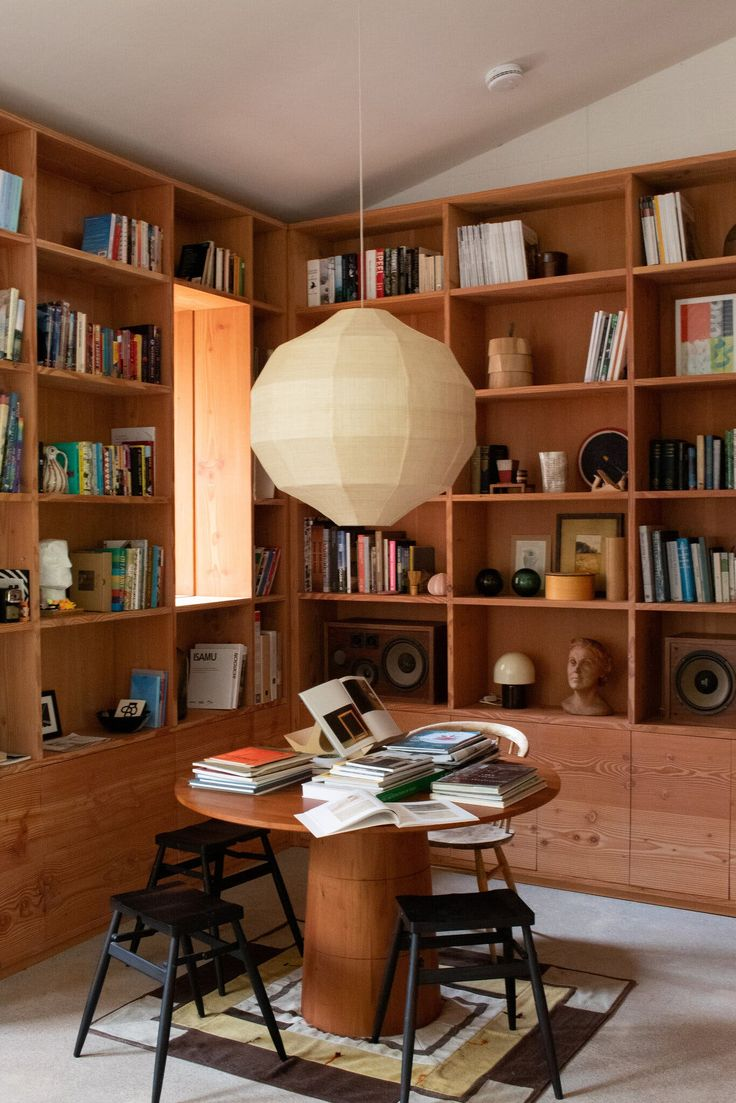
Renovated ice cream factory, David Kohn Architecture, Devon, England, Courtesy of @davidkohnarch @officedka @ellie_pithers @pinch_london
Why these trends matter
These 2025 trends reflect broader cultural shifts; a move towards sustainability, wellness, and personalisation. It helps to know what’s in vogue to know your preferences better and contextualise the designs that you may have in mind. And, done right, you can incorporate today’s trends in either big spatial designs or small adaptations to make your space feel both on-trend and timeless.
Inspired by 2025’s design trends? Let these ideas inspire your next renovation or décor update. From bold 80s influences to modern tech solutions, there’s something here for everyone to create a home that’s uniquely theirs.